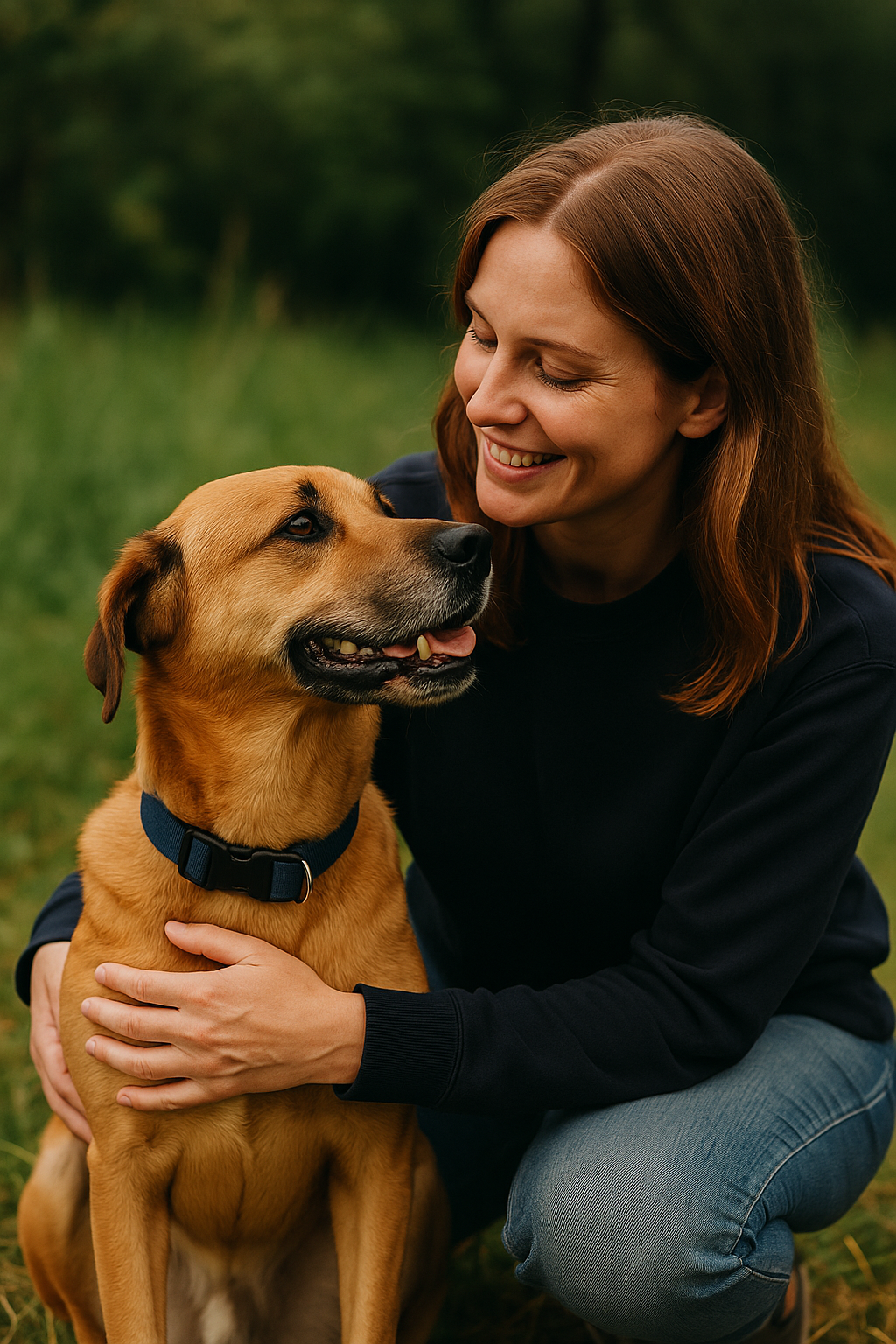
The Love Language of Dogs
February’s all about love — and not just the romantic kind. For us at Doggy Dawdles, it’s about celebrating the love between humans and their dogs. That special connection we share isn’t just about cuddles and treats; it’s built on trust, communication, and understanding.
Positive dog training is the key to that bond. It’s not about control or obedience for obedience’s sake — it’s about teamwork. When we communicate clearly and reward good choices, dogs start to understand our world, and we start to see things through their eyes. That’s the true “love language” of dogs.
Why Positive Training Builds Stronger Bonds
If you’ve ever watched your dog’s eyes light up when they finally “get it,” you know how powerful positive reinforcement can be.
1. It’s built on trust, not fear.
Dogs learn best when they feel safe and confident. Rewarding them for what they do right helps them understand what’s expected, without the stress or confusion that comes from punishment-based methods.
2. It strengthens communication.
Positive training teaches both of you to listen — you learn to read your dog’s body language, and they learn to respond to your cues. Over time, that back-and-forth becomes its own kind of conversation.
3. It boosts confidence.
When dogs succeed and are praised for it, they become more relaxed and willing to try new things. This is especially important for shy, anxious, or rescue dogs who need reassurance that the world is a safe place.
At Doggy Dawdles, we see every training session as a chance to grow that bond, one small victory at a time.
Understanding Your Dog’s “Love Language”
Dogs express love differently than we do, and learning to read those signals helps you become a better partner in their training journey.
- Tail language: A loose, wagging tail means contentment. A low, tucked tail often signals uncertainty or stress.
- Eye contact: Gentle, soft eyes are affectionate. Staring or “hard eyes” can feel threatening to a dog.
- Body position: Relaxed posture = calm confidence. Stiff or lowered posture = discomfort or worry.
When we respect these signals, we show our dogs we’re listening — and that strengthens the emotional connection that makes training work.
The Power of Positive Reinforcement
Positive reinforcement means rewarding behaviours we like so they’re more likely to happen again. It’s a simple idea, but it’s magic when done consistently. Some dogs are food-motivated (treats work wonders), while others prefer toys, praise, or affection. The key is to find what your dog loves most and use it to celebrate their efforts.
Examples:
- Rewarding a calm sit instead of jumping up.
- Offering a treat when they come when called.
- Praising them for walking nicely on the lead.
Over time, these small wins stack up — and suddenly, you’ve got a dog who chooses good behaviour because they want to, not because they’re afraid not to.
Common Mistakes to Avoid
Even the kindest owners can sometimes send mixed signals. Here are a few pitfalls to watch for:
- Timing matters. Praise or reward must happen within seconds of the behaviour, so your dog links the two.
- Keep cues consistent. If sometimes “down” means lie down and other times means get off the sofa, your dog will get confused.
- Avoid frustration. If either of you is having an off day, take a break. Training should feel like play, not pressure.
The goal isn’t perfection — it’s progress, and a deeper understanding of each other along the way.
Training is Bonding — Not Just Behaviour
Training isn’t only about learning commands. It’s about building a partnership. Every moment you spend working together is time spent strengthening your connection.
Even short sessions (5–10 minutes a day) can make a difference. Try turning training into part of your daily routine — a few minutes before breakfast, during walks, or in the garden.
It’s these shared experiences that create that wonderful sense of “us” between you and your dog.
Helping Your Dog Feel Valued
Every dog is different — some are sensitive souls, others bold explorers — and positive training works for all of them because it focuses on what makes each dog unique.
When dogs feel understood, they relax. They trust. They listen. That’s when real learning (and real love) happens.
At Doggy Dawdles, we see dogs for who they are — individuals with personalities, quirks, and huge hearts. And our job is to help them shine through gentle guidance, patience, and positive reinforcement.
How to Get Started with Positive Training
Here are a few ways you can start today:
- Catch your dog doing something right — and praise them for it.
- Use high-value rewards for big breakthroughs.
- Keep sessions short and upbeat — always end on success.
- Set realistic goals and celebrate small wins.
And if you ever feel stuck, don’t worry — that’s what I’m here for. Whether your dog is new to training or you’re looking to refine existing skills, we’ll work together at their pace and celebrate every step.
Love, Trust, and Teamwork — The Real Training Rewards
When training is based on kindness, patience, and communication, you’ll see a transformation that goes beyond good manners. Your dog will look to you with trust and excitement, ready for whatever comes next.
That’s the beauty of positive training — it strengthens the bond you already have and builds a foundation of respect and love that lasts a lifetime.
Call to Action
“Want to build a deeper connection with your dog? Let’s train with love, patience, and fun. Book your positive training session with Doggy Dawdles today!”
This blog is part of a blog circle, please check out this link from Finchley Dog Walker: https://www.finchleydogwalker.co.uk/how-to-spend-valentines-day-with-your-dog.html
Sign up for Newsletters which include relevant doggy info and important updates from Doggy Dawdles.
No responses yet